Continuity check and fix for AI video

Find and fix the consistency breaks in your AI-generated video

Our agent watches your whole video and checks every person, prop and environment against the first time it showed up, so shot 40 is matched against shot 3. You get a score and a timeline with every break identified. Next to each break you can press a button to fix it by surgically regenerating that part of your video.

The report

Every break on one timeline, with the frames that prove it

Move along the rail and the panel shows the shot you are on, everything that was checked in it, and each thing that stopped matching.
rain_scene_v3.mp4 · 1:12 · 12 shotsScore 0.63
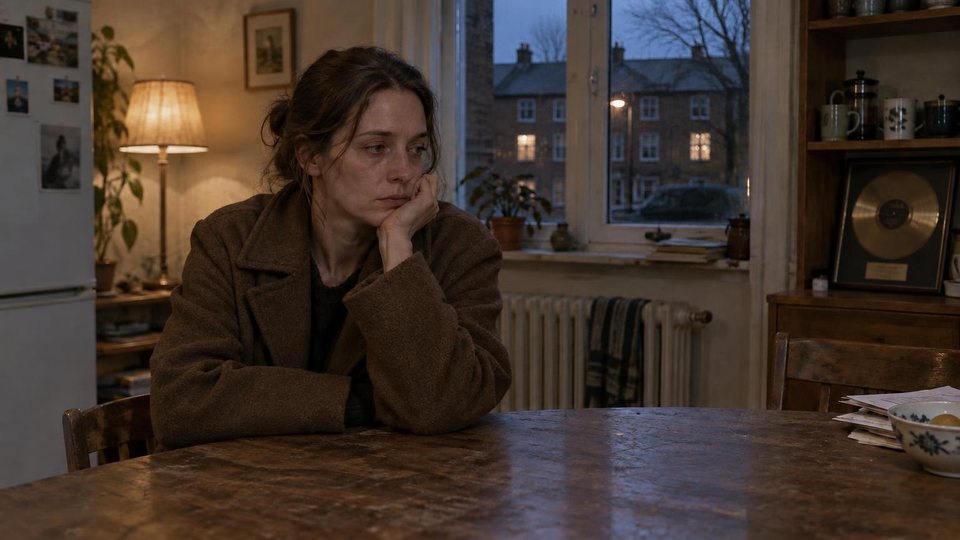
Shot 05 of the rain scene: the coat is brown, the glass is gone, the record has moved to the shelf and the window is dryShot 05 · 0:31
0:31.0/ 1:12.0
0:000:180:360:541:12
Shot 050:29.0 to 0:36.2

Living room at night. Same table as shot 02.
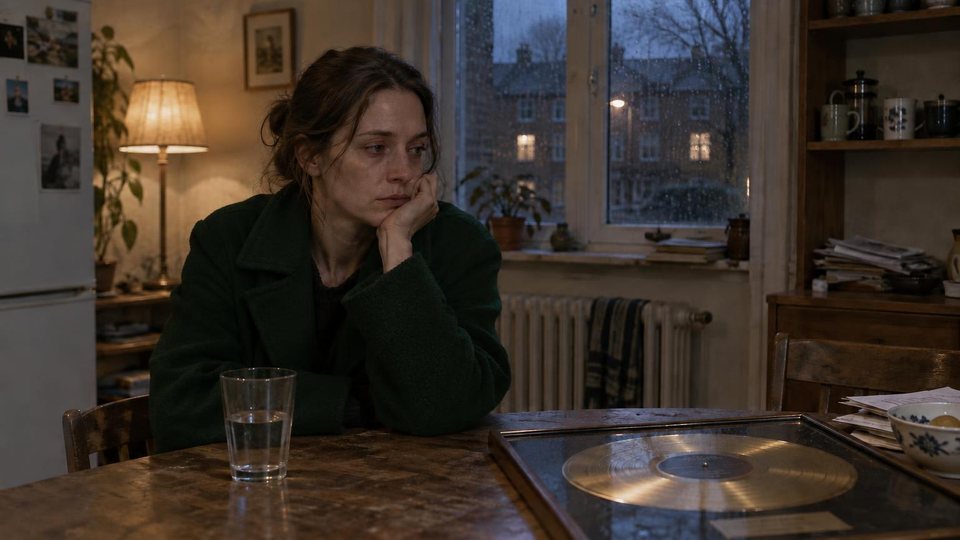
Shot 02 · 0:08

Shot 05 · 0:31

  • Glass on the tablehigh

    On the table in shot 02. Gone here.

  • Her coatmedium

    Dark green wool in shot 02. Brown here.

  • Gold recordmedium

    On the table in shot 02. On the shelf here.

  • Rain on the windowlow

    Raining in shot 02. Dry here.

Fix

Shot 05, 0:31. Her coat is brown here. It was set as a dark green wool coat in shot 02 at 0:08 and nothing in the scene explains the change. Regenerate shot 05 with the coat from the frame at 0:08. Keep the framing, the light and the camera move as they are.

A report on a re-created scene. Every mark on the rail is a problem. The panel follows the playhead and ends on the fix for the shot you are on. High Medium Low

Then it fixes them

Found the break? Press Fix this shot

Every problem card has the button. It hands the shot, the written fix and the frame it should match to one of the best frontier video editing models, and you get a draft back before you pay for the real thing.
01Draft first
A low-res draft in about two minutes, next to your original and the reference frame.
02Checked
An automatic check says whether the problem is gone and whether anything else moved.
03Your call
Take it in 720p or 1080p, try again, or say it didn't work and stop.
04Back in the cut
Download the shot, or the whole video with the new shot already in place.
Shot 6 · 0:20 · As generated
Fixed · Full quality
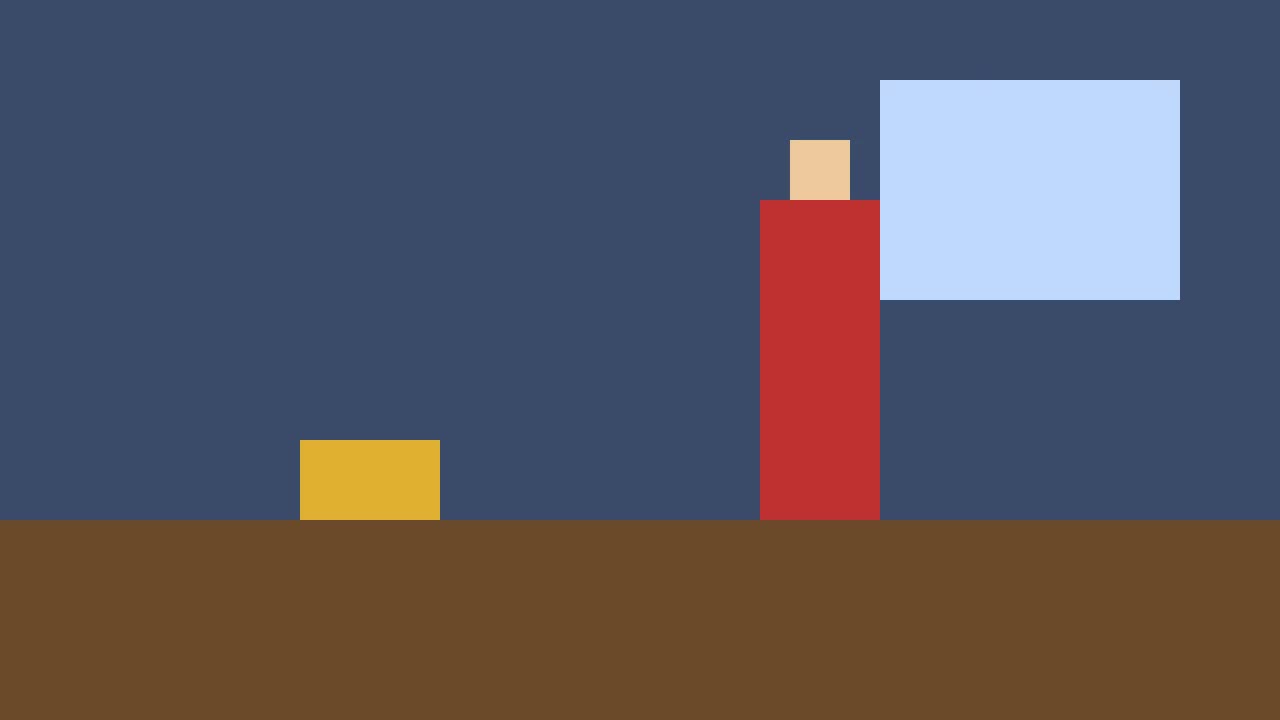
The reference frame from shot 1 at 0:00.5: dark blue wall, red figure on the right by the window, yellow box on the left

Reference · Shot 1 · 0:00.5The frame the fix was told to match.

A real run on a 24-second test video I made with breaks planted in it. In shot 6 the wall came out brown. The first draft put the blue back and left the figure, the box and the window where they were.

Why long AI video breaks

A long AI video is a stack of short ones

Video models top out at somewhere between 15 and 30 seconds per generation. So anything longer gets made the way almost everyone makes it now: one short generation at a time, edited together. A three-minute video is six to twelve of them.

Every generation starts from scratch. The face, the coat, the room and the light are all made again from a prompt and maybe a reference image. They usually come out close. Close is the problem. Across a dozen cuts the small differences add up, and that is the moment a video starts to look like AI and stops holding together.

VideoConsistency is built to solve that in the easiest way I could make it. You upload the finished cut. Our agent checks every generation against the first, marks where it drifted, and the shots that broke get regenerated from the report.

One three-minute AI video

8 generations · 7 cuts between them

A three-minute video made of 8 separate generations, each 15 to 30 seconds long. Something drifted at 5 of the 7 cuts between them.

  1. 10:20The coat comes back a shade lighter
  2. 21:00The record is on the shelf now
  3. 31:30Afternoon turns into evening
  4. 42:05Her face settles a little differently
  5. 52:30The window has moved to the other wall
Each block is a separate generation of 15 to 30 seconds. Every one is made from scratch, so the cuts between them are where things drift. The drifts shown here are an illustration.

Checked shot to shot, generation to generation

  • Faces
  • Hair
  • Clothes
  • Accessories
  • Props
  • What people hold
  • Where people stand
  • Which way they face
  • Screen direction
  • Furniture and layout
  • Walls and background
  • Light
  • Shadow side
  • Time of day
  • Weather
  • Camera

01How it works

From upload to fixed shot

Nothing to set up and nothing to tune. You drop the file in, the report comes back in a few minutes for most videos, and any shot that broke can be regenerated from there.
  1. 01

    Upload

    MP4, MOV or WebM, up to 5 GB. A content check runs in your browser first, then a compact copy and up to 48 sharp stills are made from your original.

  2. 02

    Watch

    Our agent watches your whole video twice at once. One pass follows the people. The other follows the room.

  3. 03

    Find

    Every shot reviewed and every break marked on the timeline, with its two frames and a written fix.

  4. 04

    Fix

    Press Fix this shot and the broken shot is regenerated to match its reference. A draft comes first, then 720p or 1080p.

02The reference

Every shot answers to the first clear look

The first clear look at each person, prop and room becomes the reference. Every later appearance is compared with that reference directly, never with the shot before it.

That one rule matters more than it sounds. Compare neighbours and a coat can drift from green to brown a shade at a time, with every step looking fine. Compare everything with the same frame and the drift has nowhere to hide.

The first clear look at the woman at the table: green coat, glass of water, gold record on the table, rain on the windowReference

Shot 02 · 0:08 · first clear look

  • Shot 03 · 0:13Matches

  • Shot 04 · 0:21Matches

  • Shot 05 · 0:314 breaks

  • Shot 07 · 0:44Matches

Every later shot is compared with the reference, never with the shot before it. Shot 05 is the one that disagrees.

03Two reads

Two reads of your whole video, side by side

A read that is busy with faces walks straight past a record that moved across a table. So the room gets a read of its own, running at the same time.
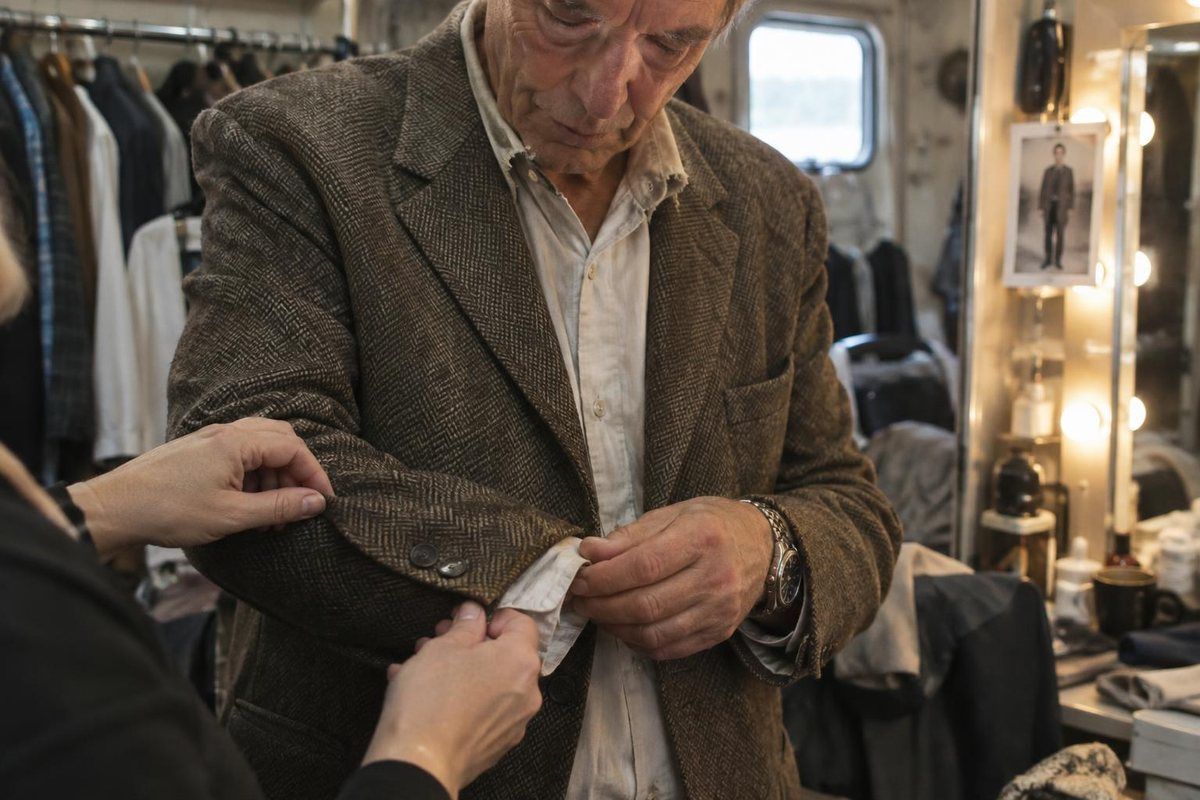
A man in a tweed jacket fastening his shirt cuff in a wardrobe trailer while a dresser straightens his sleeve

The people read

Follows every recurring person from their first clear look to their last.
  • Face, hair and facial hair
  • Clothes, their colour and pattern
  • What each hand is holding
  • Where they stand and which way they face
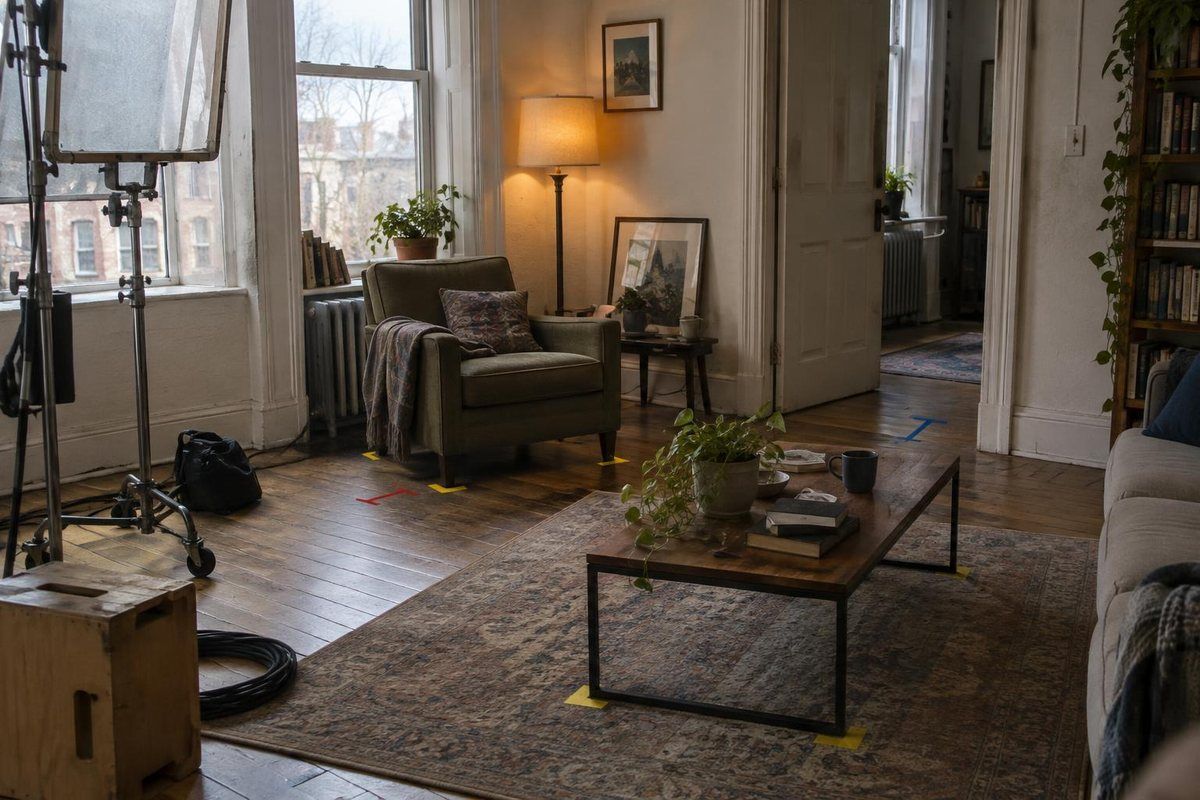
An empty living room set with tape marks on the floor where the furniture and actors stand

The room read

Ignores the faces completely and follows the place they are in.

  • Furniture and what sits where
  • How many of each thing there are
  • Who is left of whom
  • Light, shadow side and weather

When both finish they are merged, and a problem found by both becomes one problem.

04What it looks for
Same people, same place, every generation

Our agent holds every recurring person, prop and place to how it first looked, shot by shot and generation by generation. Anything that stops matching gets a mark on the timeline, two frames and a fix.
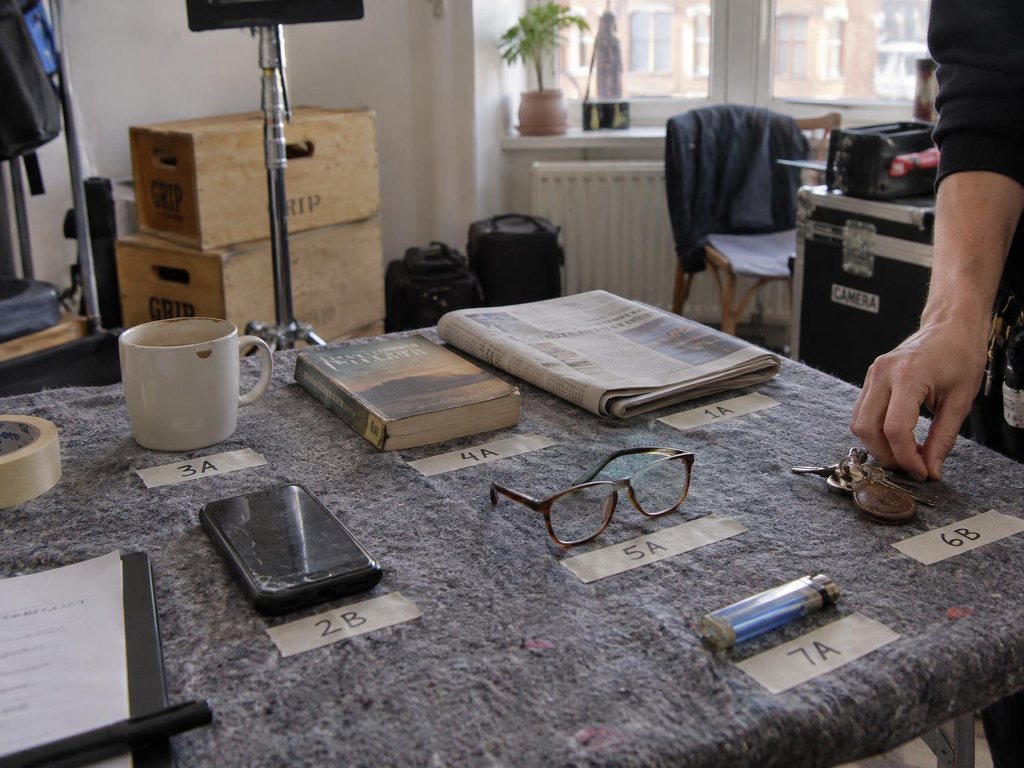
Props laid out on a felt-covered table on set, each on a numbered tape label: a mug, a book, a newspaper, glasses, a phone, keys and a lighter
Wardrobe and props
Clothes keep their colour and cut from one shot to the next. Props stay where they were put, and do not vanish between generations.
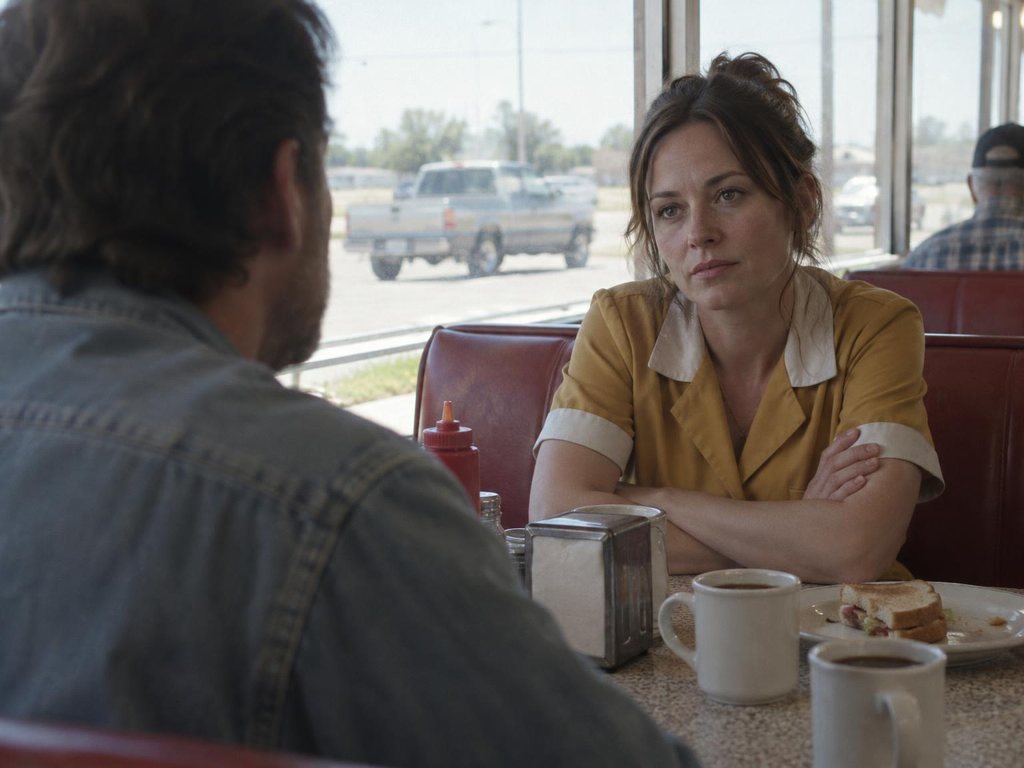
Two people facing each other across a diner booth by the window in daylight
Space
Who stands left of whom, which way they face, and which way they move across a cut.
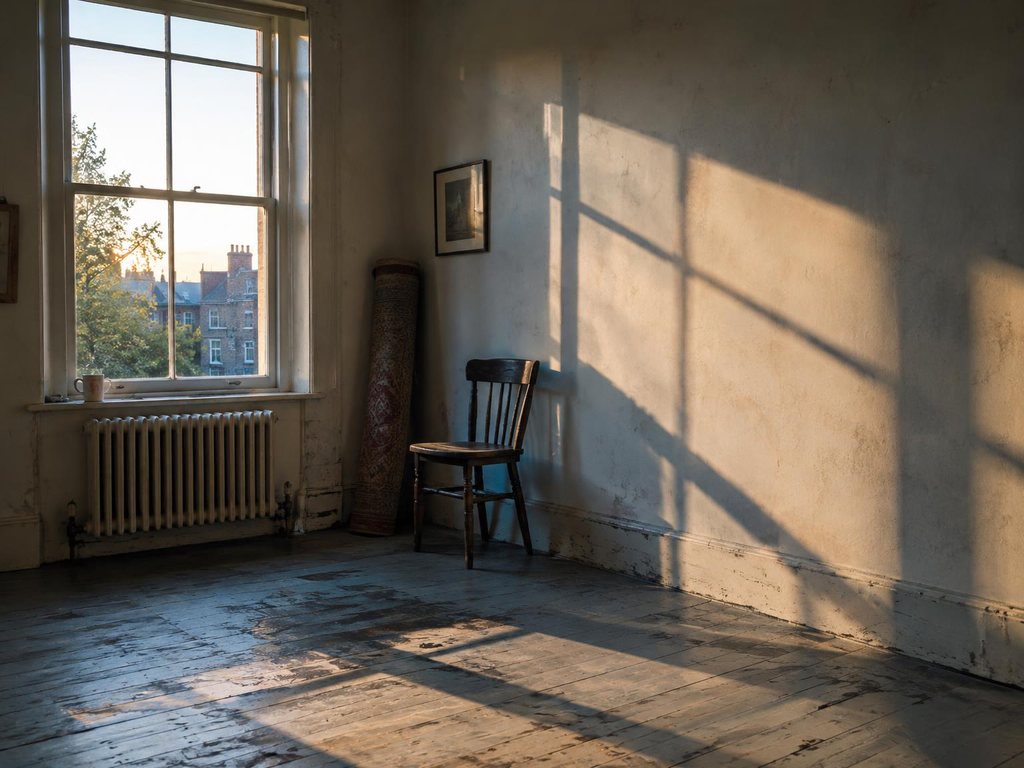
Low evening sun throwing long window shadows across a wooden floor
Time
Time of day read from the light, the weather, and which side the shadows fall on.
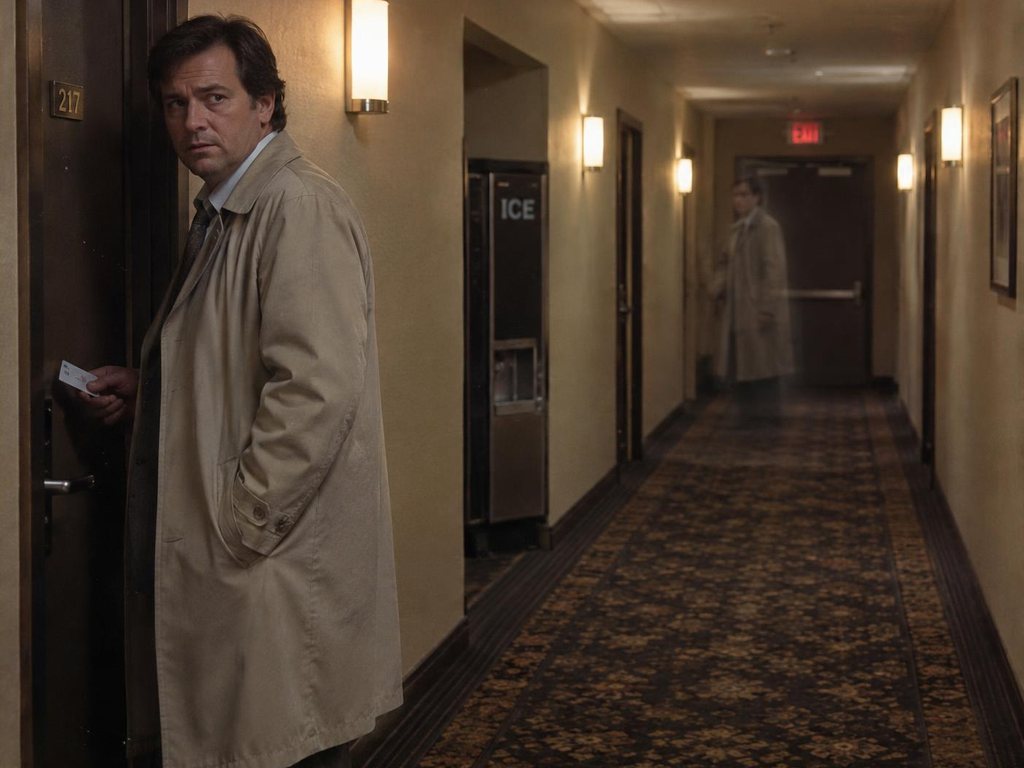
The same man appearing twice in one hotel corridor, the far copy half see-through
Identity
A face that slowly turns into someone else. A person who appears twice. Things that teleport.
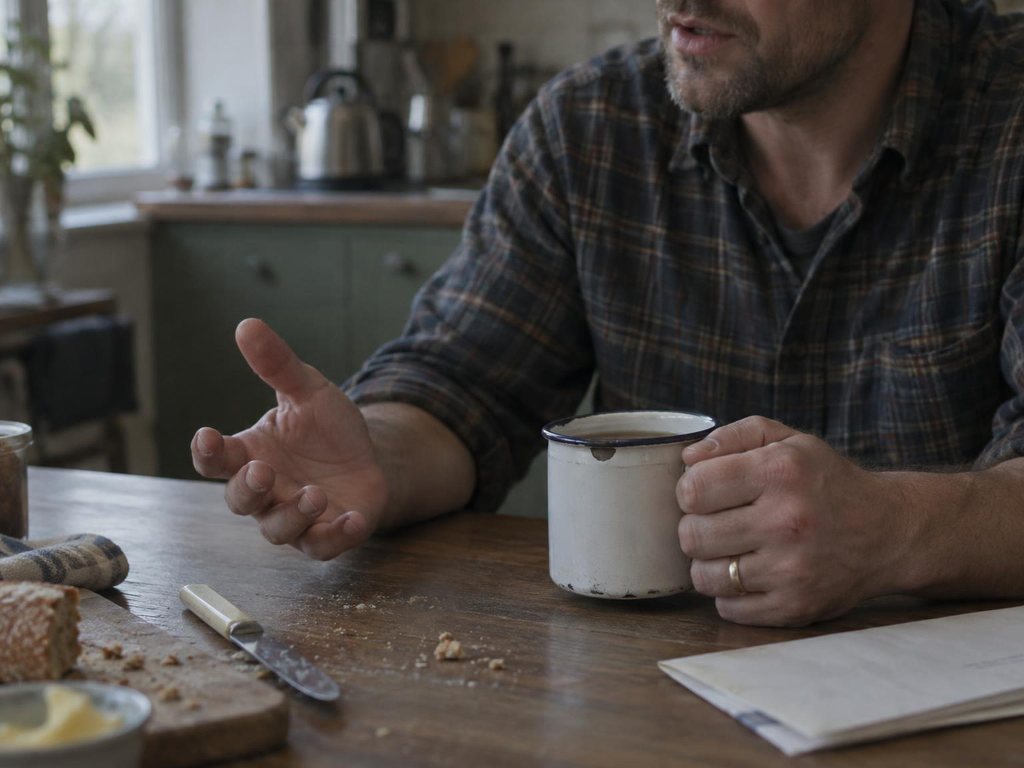
A man at a kitchen table mid-sentence, one hand open, the other round an enamel mug
Hands and action
What each hand is holding, and whether a pose carries over the cut.
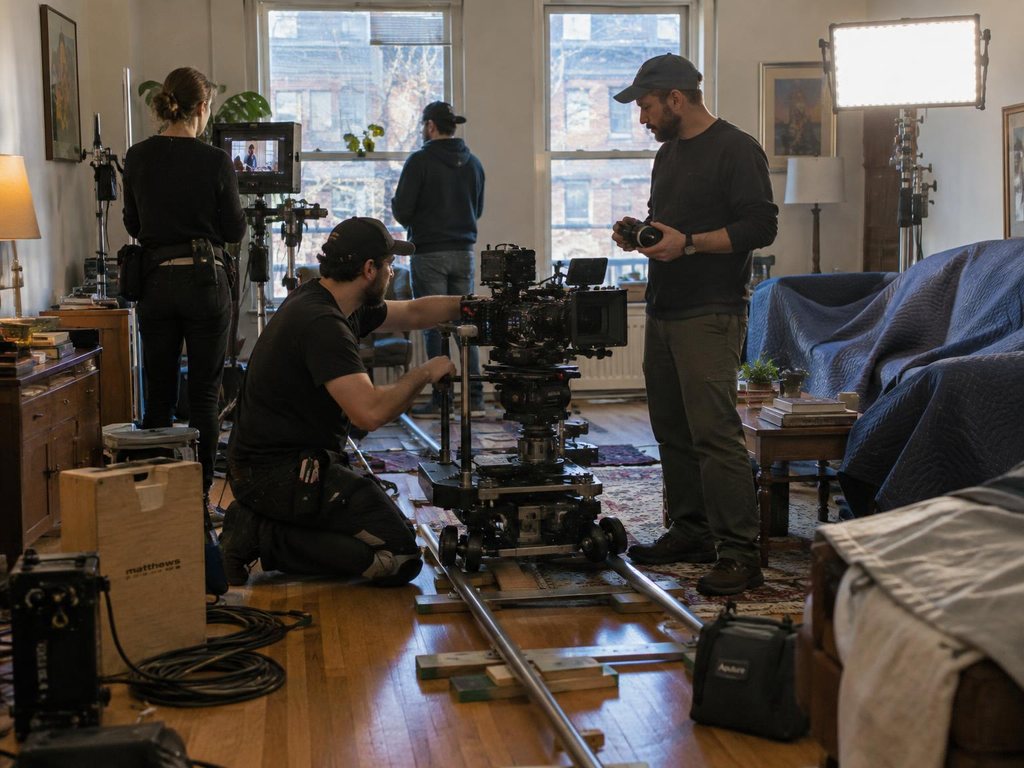
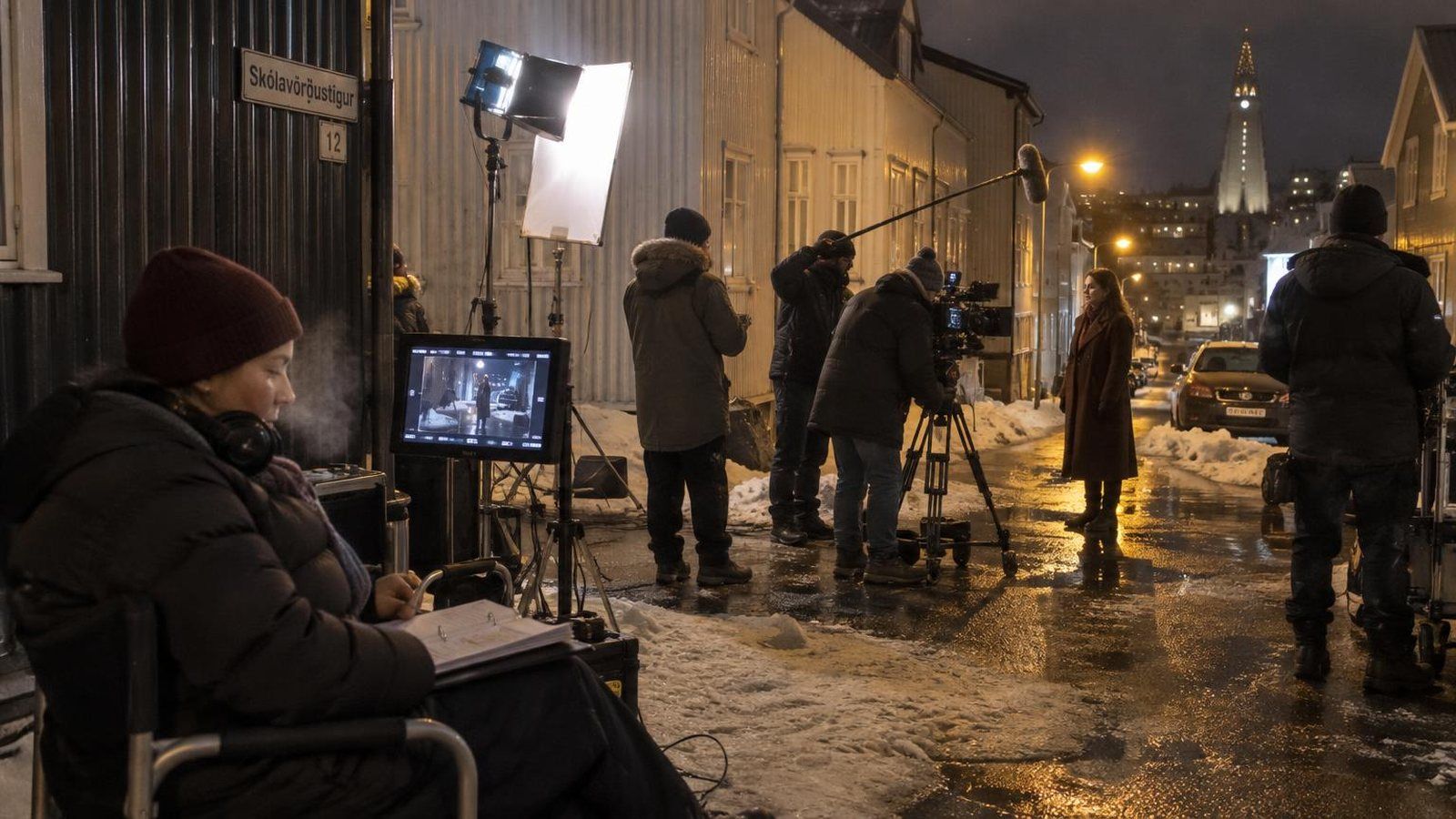
A crew setting up a cinema camera on a dolly track in a real flat
Camera
Shot size, angle and movement, and sudden jumps in exposure, colour or sharpness.

05The score

Our agent never picks the number

It lists what it found, and the score is worked out from that list in code. It starts at 1.00. A serious break, like a face or a person who vanishes, costs three. A garment or a moved prop costs two. Smaller things cost one.

All of it is measured against how many shots your video has, since more shots means more chances to break. Same findings, same score, every time. Read the method.

The report above, scored12 shots
Start
1.00
highGlass on the table
3
mediumHer coat
2
mediumGold record
2
lowRain on the window
1
mediumTable lamp
2
lowShadow side
1
Problems, weighted
11
Room to go wrong, 2 × 12 + 6
30
1.00 − 11 ÷ 300.63

06For every problem

Straight from a real report

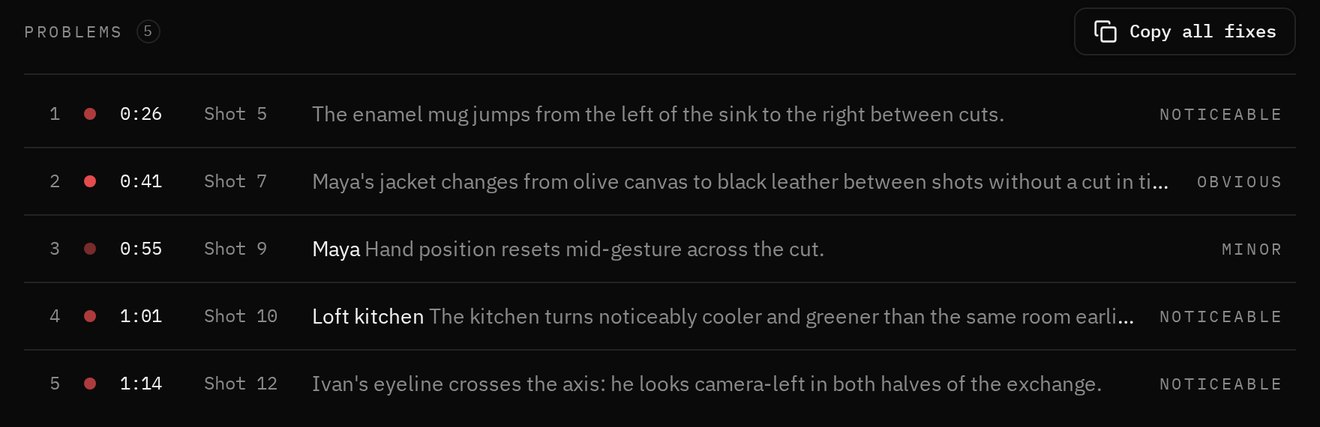
Each problem gets a timecode, the shot, one sentence and how obvious it is. Every one comes with its fix, and a button above the list copies all of them at once.
Report · problems
The problem list from a real report: five problems, each with a timecode, a shot number, one sentence and how obvious it is.
01Timecode and shot
Where it starts, where it ends, and which shot it sits in.
02Two frames
The first clear look on the left, the frame that disagrees on the right.
03How sure it was
Every card says how confident our agent was, so you know what to look at first.
04A fix
What to change and which frame to match, written out to copy. Or press Fix this shot and get the shot regenerated.
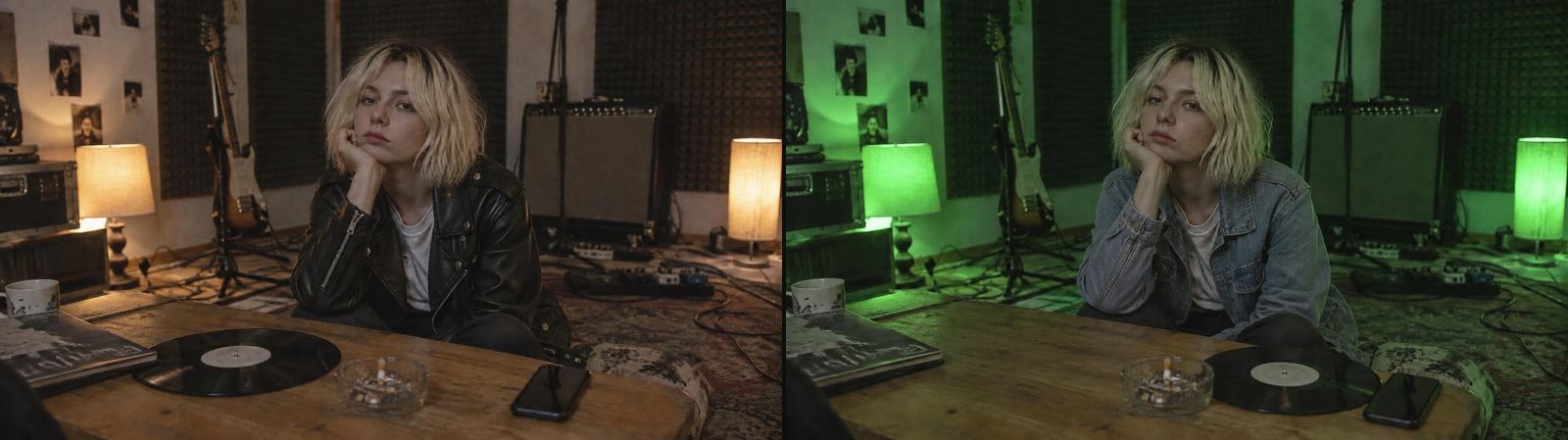
Two frames from a music video. The light turns green, the leather jacket becomes denim and the record moves across the table.Shot 02 · 0:06Shot 09 · 0:41

Case studies

See a run, from the break to the fix

Worked examples of what comes back: the score, the shot that broke, the two frames and the fix written for it. One comes back clean. One is a real run where the broken shot got regenerated, with the attempt that missed left in.

Read the case studies
An editor at a desk at night with two monitors showing a video timeline

Who it is for

Built for anything longer than a minute

Filmmakers cutting generated shots into anything past the one-minute mark, which is exactly where continuity starts to fall apart, and who would rather fix one shot than regenerate the whole scene. Studios making episodes with characters who have to come back looking the same. Teams building video models who want one check run the same way on two versions of a brief.

The public benchmark is scored with this exact check.

Find the breaks and fix them before anyone else watches

Sign in with your email and drop the file in. The report comes back in a few minutes for most videos, with a fix for every break. Plans start at $19 a month for 15 minutes of video and 10 seconds of shot fixes.